

State of Alaskan Retail: Key Trends for Success
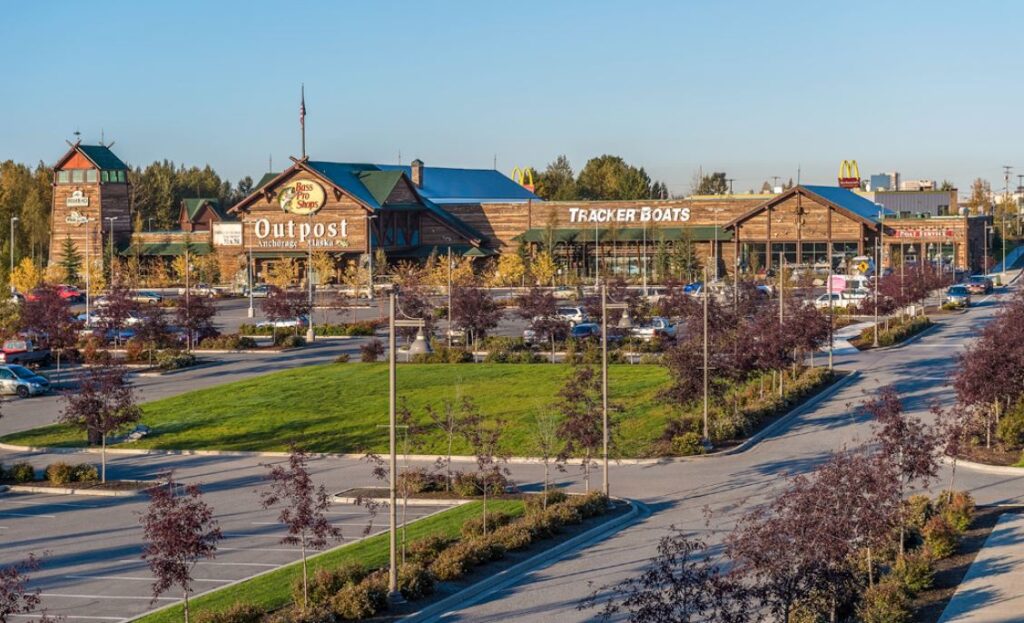
Alaska’s retail real estate market in 2025 is characterized by resilience in its strongest hubs, caution in secondary markets, and unique pressures that distinguish it from national trends. While e-commerce continues to reshape retail nationwide, Alaska’s geography, logistics challenges, and consumer habits ensure that brick-and-mortar stores remain indispensable. For investors, developers, brokers, and operators, understanding regional dynamics is critical to identifying opportunities. Despite the national brick and mortar retail climate, Alaska still remains a strong play for operators and investors alike.
Anchorage: Stability and Incremental Growth

Anchorage remains Alaska’s dominant retail hub, with strong demand for service-oriented and experiential tenants. Restaurants, healthcare providers, gyms, and local retailers continue to absorb space in both regional and neighborhood centers, and interior shopping malls. Vacancy rates remain stable, with landlords benefiting from Anchorage’s concentration of population and limited new retail construction.
Older strip centers and mid-market retail centers still dominate much of the stock, but strategic repositioning – refreshing tenant mix, updating facades, and introducing food-and-beverage anchors – has proven successful in attracting customers. National level food and service oriented tenants still look to Anchorage as the gateway to enter the Alaska market.
Mat-Su Valley: A Market Catching Up
The Matanuska-Susitna Valley is the state’s fastest-growing region, adding both residents and infrastructure at a pace unmatched elsewhere in Alaska. Retail has lagged behind residential expansion, but national and regional tenants are beginning to establish a presence in Wasilla and Palmer. New centers and mixed-use developments are creating opportunities for investors willing to get in early and opening space in 2nd and 3rd generation buildings for smaller, local businesses to open.
Retail tied to essential services – grocery, healthcare, and dining – remains the most reliable play here, while lifestyle and experiential tenants are beginning to test the market.
Juneau: A Tourism-Anchored Market

Southeast Alaska’s retail is closely tied to tourism, and Juneau reflects this balance between seasonal surges and steady year-round demand. Properties like the Nugget Mall on Glacier Highway remain crucial community anchors. While national trends such as inflation and high interest rates affect discretionary spending, stable government employment and cruise-driven traffic continue to support the market. For investors, value-add strategies – refreshing older centers and improving tenant experiences – can pay dividends here.
Fairbanks: Logistics Meets Retail
Fairbanks illustrates how Alaska’s retail landscape is adapting to e-commerce. While traditional retail employment is slowly declining, logistics and warehousing jobs, like Amazon, are rising as distribution hubs expand. Retail tied to the university, military, and healthcare remains resilient. Investors should focus on essential-goods tenants and neighborhood centers while recognizing the increasing overlap between logistics and consumer demand.
Kenai Peninsula: Tourism Dependence
On the Kenai Peninsula, particularly in Soldotna, Kenai, and Homer, retail thrives on seasonal spending linked to tourism, fishing, and recreation. Municipal sales-tax revenues reveal the outsized impact of visitors, with as much as three-quarters of receipts tied to tourism in peak season. Properties here succeed when they are flexible – accommodating seasonal tenants, pop-ups, or smaller local businesses that capitalize on surges in summer traffic.
Alaska-Specific Pressures and Advantages
- High logistics costs: Freight and shipping increase operating expenses relative to Lower 48 markets.
- Seasonality: Summer and winter tourism create demand spikes, but shoulder seasons can be lean.
- Population density: Outside Anchorage and Mat-Su, retailers often serve regional markets rather than local neighborhoods.
- Community orientation: Successful properties are often those that double as gathering places, integrating food, events, or locally branded experiences.
Conclusion
Despite national uncertainty, Alaska’s retail sector continues to adapt. Anchorage and Mat-Su offer steady and expanding opportunities year round, Juneau and Fairbanks require nuanced tenant strategies, and the Kenai Peninsula rewards seasonal flexibility. For investors and operators, due diligence should prioritize tenant resilience, logistics realities, and the unique blend of tourism and local demand that defines Alaska’s economy.
Sources Summary
- Alaska Department of Labor & Workforce Development – Economic Trends (2024–2025): Provided statewide employment and retail job data.
- National Retail Federation (Retail’s Impact in Alaska): Employment and economic contribution of the retail sector.
- Alaska Business Magazine: Reports on tourism, regional economies, and retail tenant dynamics.
- CRE listing platforms (LoopNet, Crexi, PropertyShark): Benchmarks on retail property availability, leasing, and sales in Alaska.
- Municipal and borough tax revenue data (Kenai Peninsula Borough): Insights into retail/tourism sales-tax dependence.
- Ingram Alaska Commercial Real Estate (ingramalaska.com): Active listing references, including the Nugget Mall in Juneau.


